
Cooled Thermal Imaging
Optical performance matched to detector format, pixel pitch, cold-stop requirements, image circle and operating temperature.
Custom MWIR lens assemblies and infrared optical components for cooled thermal cameras, gas detection and high-temperature sensing.
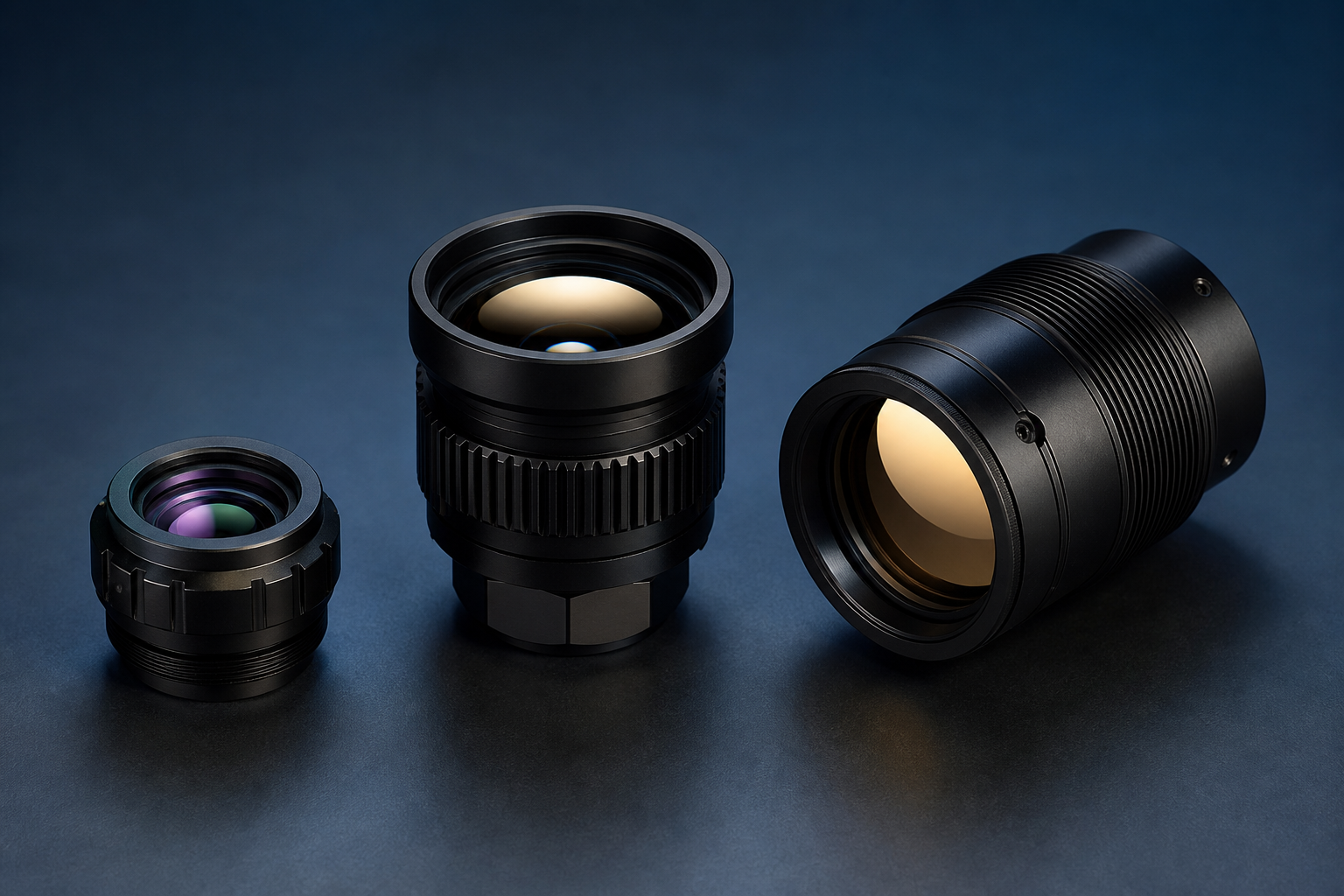
COE Sapphire provides custom MWIR imaging lenses and components for cooled thermal cameras, gas detection, high-temperature process monitoring, scientific instruments and long-range imaging. Each design is developed around the detector, spectral band, focal length, aperture, image quality and environmental requirements.
Optical performance matched to detector format, pixel pitch, cold-stop requirements, image circle and operating temperature.
Band-specific materials and coatings for gas detection, spectral measurement and scientific instruments.
Resolution, thermal stability, stray-light control and opto-mechanical alignment considered as a complete system.
Germanium, silicon, zinc selenide, zinc sulfide and other infrared materials may be used individually or in multi-element combinations. Selection depends on wavelength coverage, refractive properties, thermal behavior, density, durability and manufacturability.
High-index infrared material for custom MWIR lenses, windows and thermal imaging components.
Lightweight infrared material considered for selected MWIR optics and compact imaging systems.
Alternative infrared materials evaluated according to spectral range, thermal behavior and environmental requirements.
Support may include optical layout, material selection, tolerance analysis, stray-light considerations, housing interfaces and manufacturability review. Components can be supplied with band-specific antireflection coatings developed for the required angle and transmission range.
Grinding, polishing, diamond turning where appropriate, centering and precision machining for infrared components.
AR and protective coating designs coordinated with the substrate, wavelength range and operating environment.
Dimensional measurement, surface evaluation, interferometry, spectral transmission, centration and assembly-level testing as required.
Measurement planning supports the transition from prototype MWIR optics to repeatable lens production.
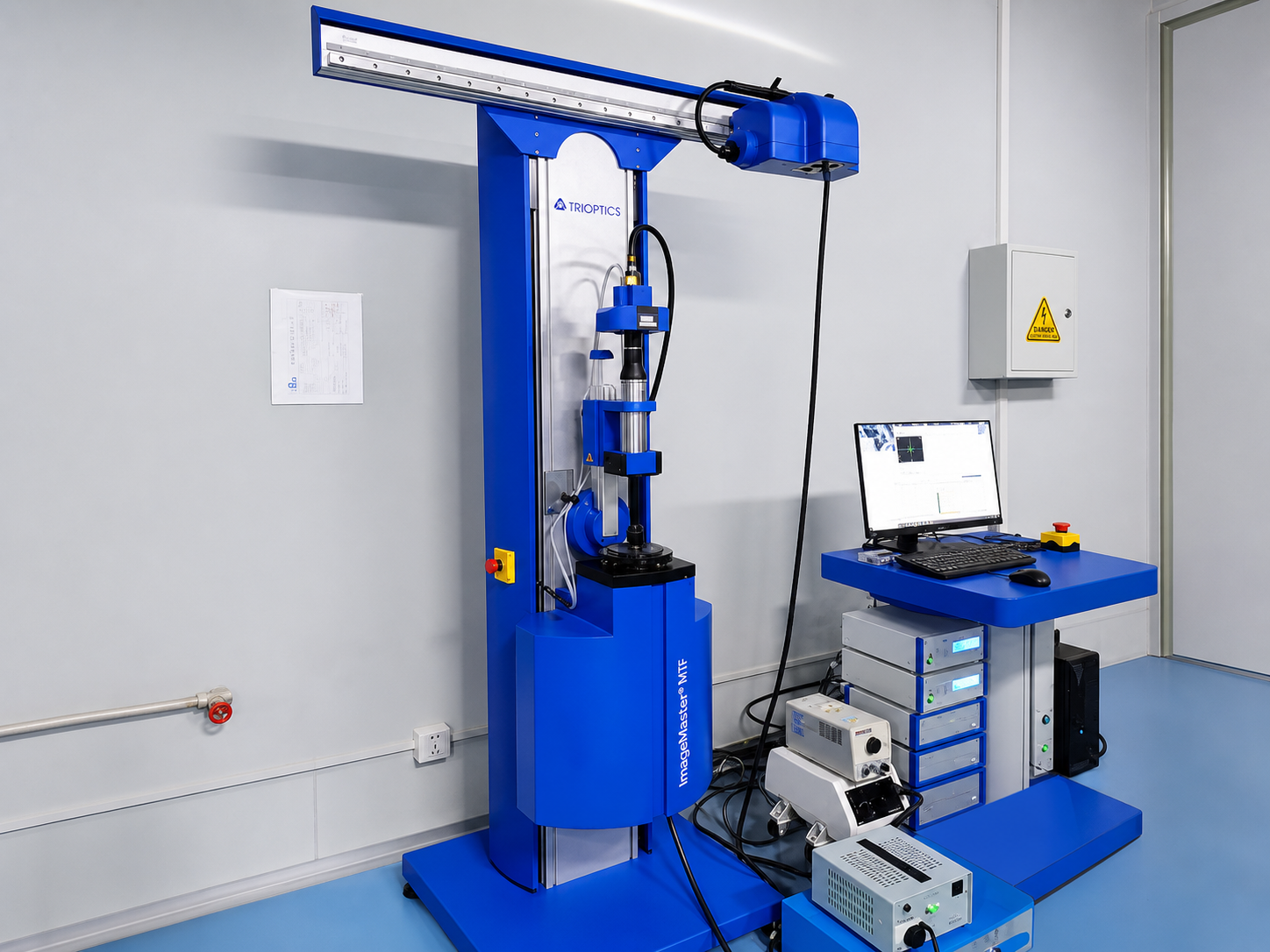
Image performance testing can be coordinated with detector format and system requirements.
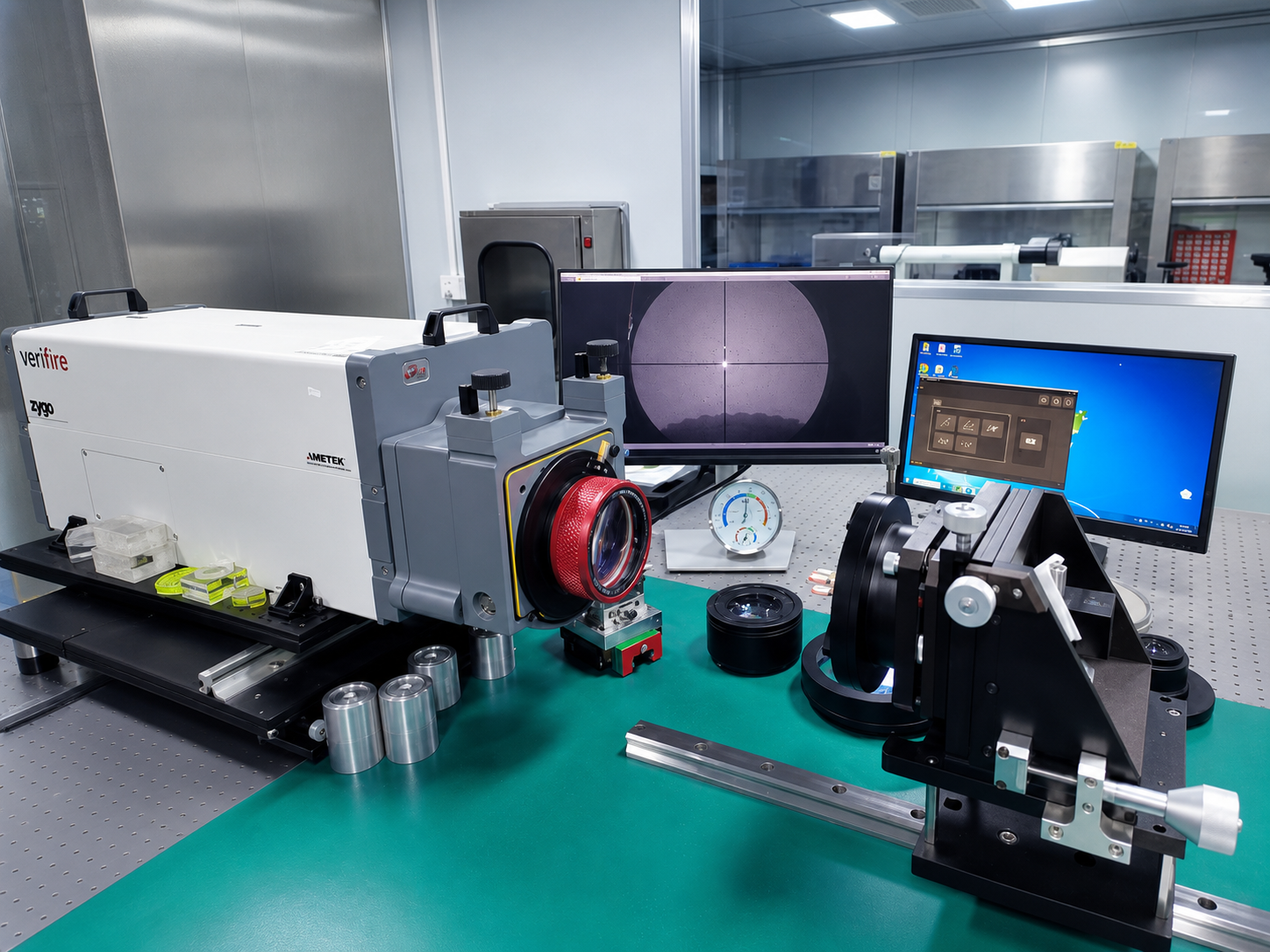
Interferometric and dimensional inspection provide traceable component-level verification.
Optical, mechanical and coating requirements are verified as part of the finished assembly.
Provide the detector, spectral band, focal length, F-number, field of view, operating temperature and quantity.