Precision Lens Manufacturing
High-precision grinding, polishing and centering for demanding optical applications.
Precision plano-convex, bi-convex, plano-concave, bi-concave, meniscus and cylindrical lenses manufactured to application-specific optical and mechanical requirements.
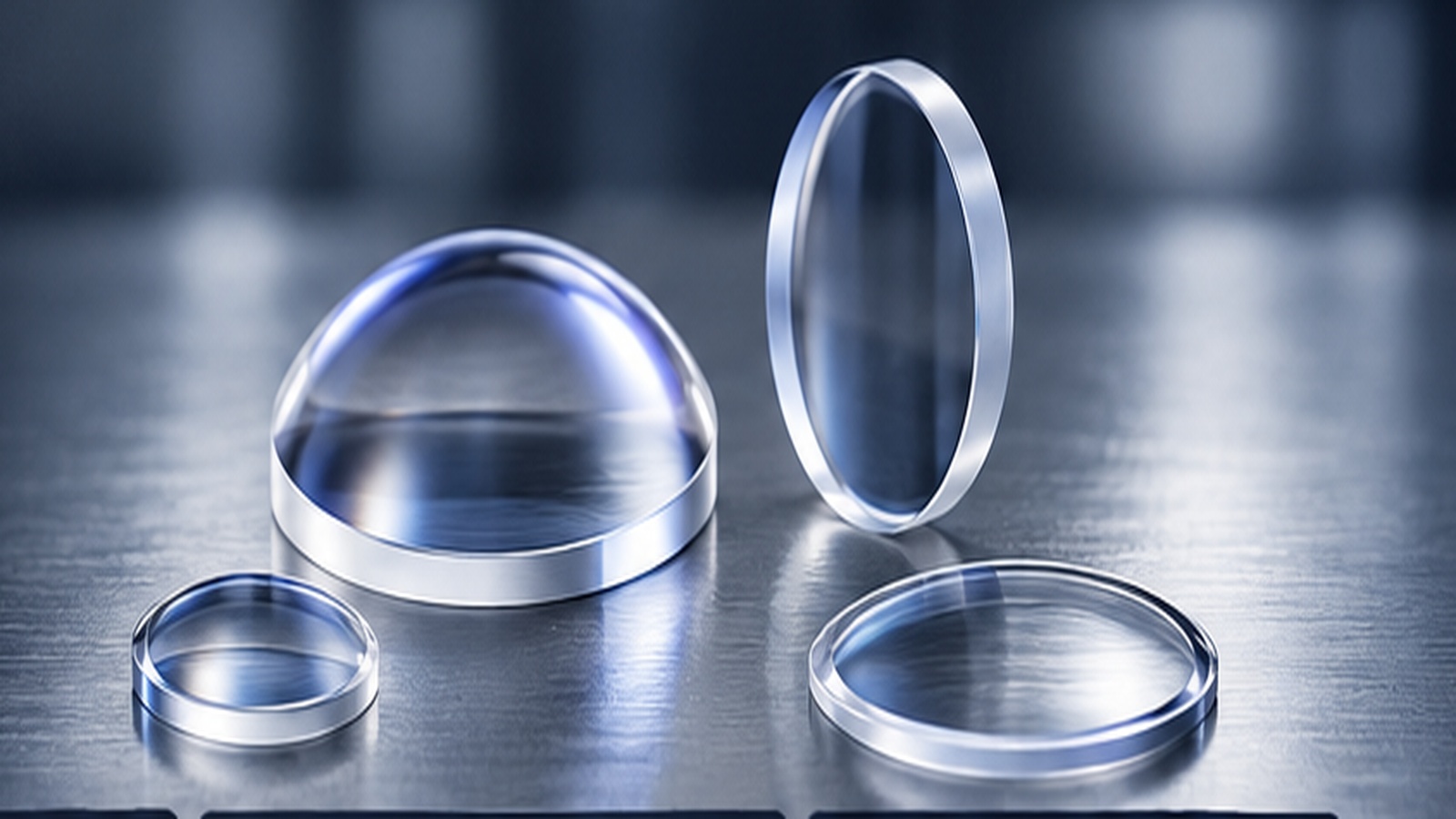
High-precision grinding, polishing and centering for demanding optical applications.
UV, visible and infrared materials matched to wavelength and system requirements.
AR, BBAR, laser-line, beamsplitter and custom coating options.
Prototype through production with custom geometries, dimensions and tolerances.
Custom lens geometries are available for focusing, imaging, beam expansion, aberration control and laser beam shaping.
Ideal for beam focusing, imaging and collimation.
Learn More →Designed for beam expansion and divergence control.
Learn More →Excellent for finite conjugate imaging and focusing.
Learn More →Used in beam expansion and optical correction.
Learn More →Reduce spherical aberration and improve imaging performance.
Learn More →Focus light in one axis for laser line generation and beam shaping.
Learn More →Select the material according to wavelength range, thermal environment, mechanical durability, laser power, weight and coating requirements.
Each lens is processed through controlled curve generation, polishing, centering, coating and inspection to achieve the required optical performance.
Material selection, blank cutting and incoming inspection.
Radius generation, diameter machining and thickness control.
Controlled geometry, wedge and subsurface-damage reduction.
Surface figure correction, surface quality and centering preparation.
Optical-axis control plus AR, BBAR, laser-line and specialty coatings.
Radius, focal length, centration, interferometry and coating verification.
Use this guide as a starting point; final selection depends on conjugates, focal length, aperture, wavelength and aberration requirements.
Efficient focusing or collimation when one conjugate is near infinity.
Negative focal length for expanding or diverging a collimated beam.
Balanced focusing when object and image distances are comparable.
Improves performance in imaging and high-numerical-aperture systems.
Focuses light in one axis for line generation and beam shaping.
Final capability depends on material, diameter, curvature, thickness, centration and inspection requirements.
| Diameter | Custom, material and geometry dependent |
|---|---|
| Focal Length | Custom |
| Radius of Curvature | Custom spherical and cylindrical radii |
| Center Thickness | Custom |
| Edge Thickness | Custom |
| Surface Quality | Commercial through precision laser quality |
| Surface Accuracy | Application-specific interferometric control |
| Coating Options | AR, BBAR, laser-line, reflective and custom coatings |
Lens geometry, material and coating are selected together to meet image quality, beam-control and environmental requirements.
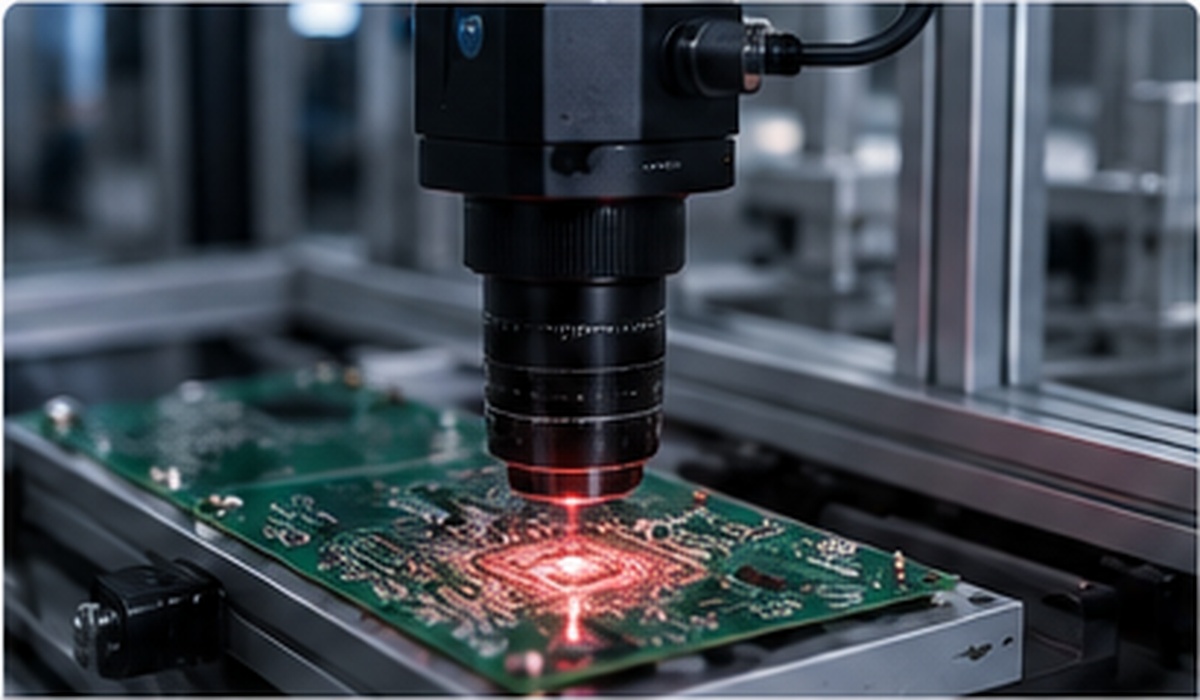
Industrial inspection, metrology and automated imaging systems.

Research, biomedical and precision analytical imaging.
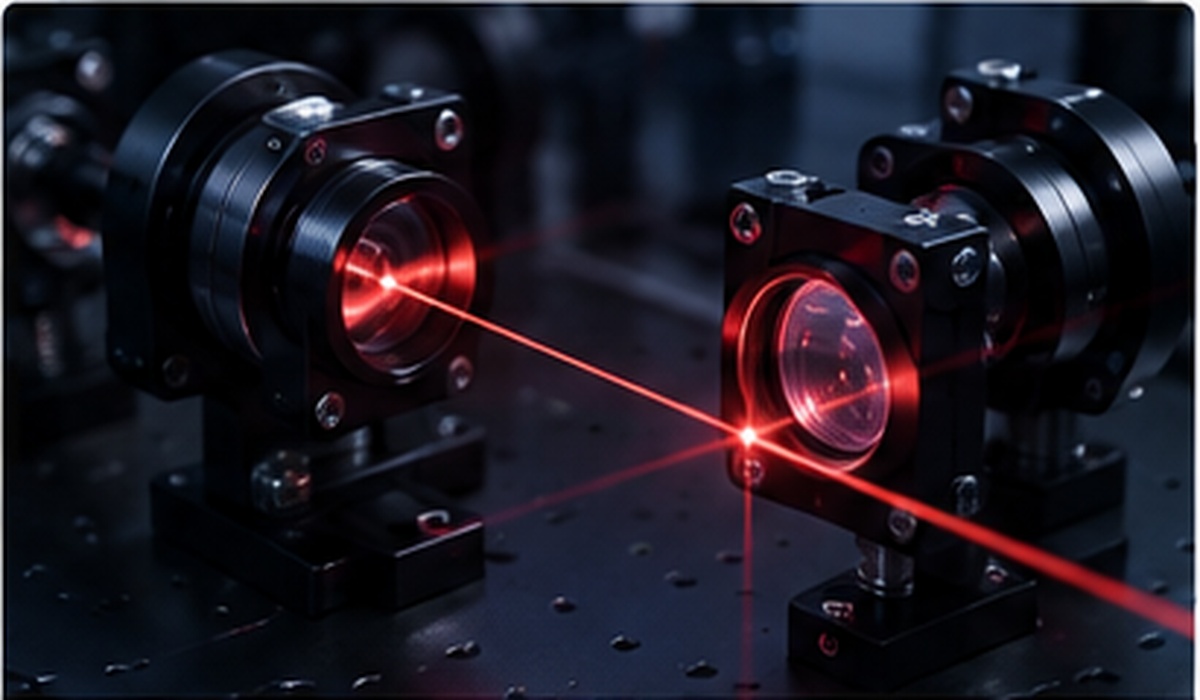
Focusing, collimation, expansion and beam shaping.
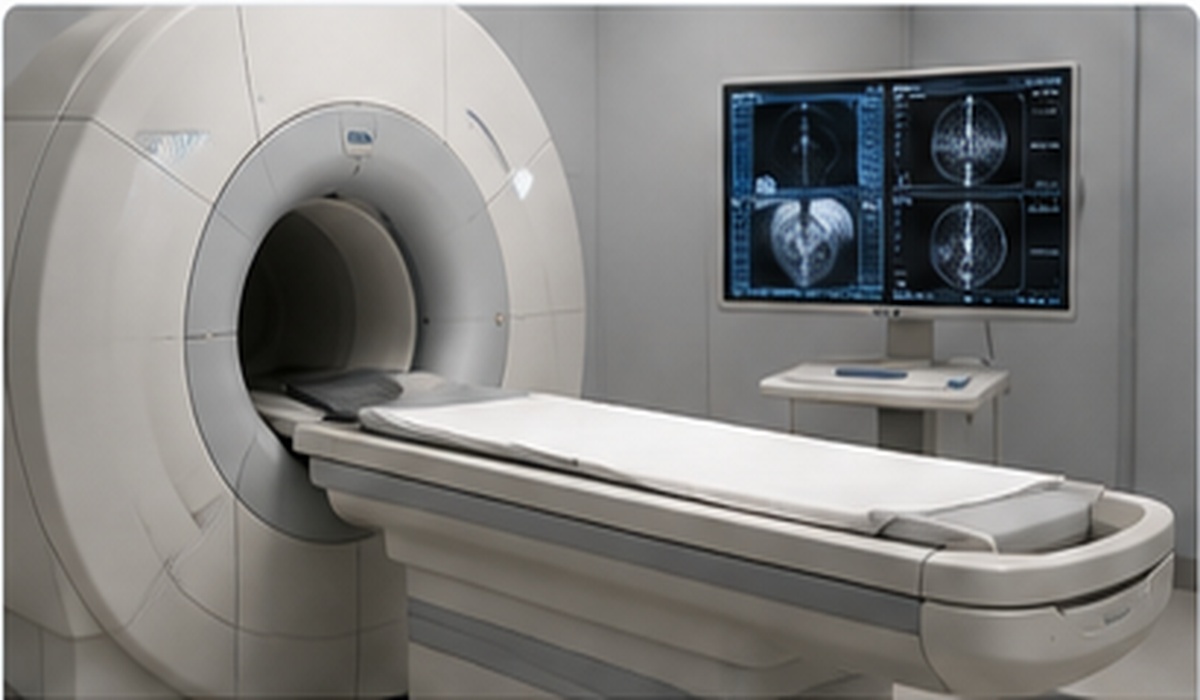
Diagnostic, endoscopic and surgical optical systems.
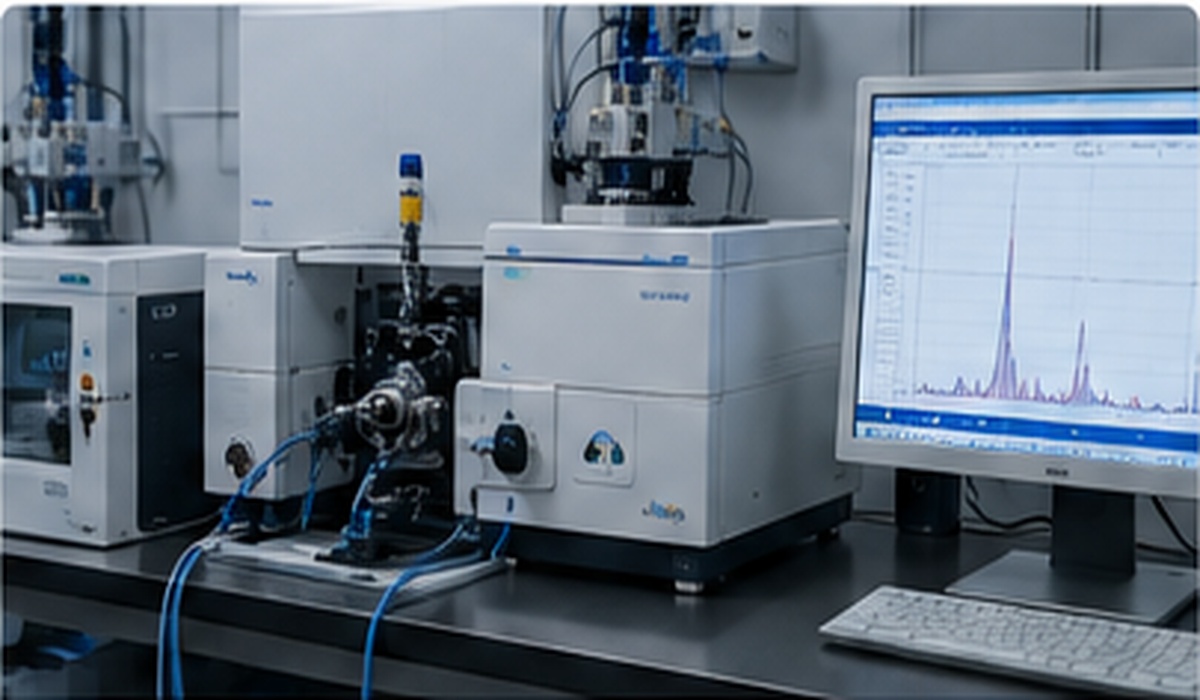
Spectrometers, analyzers and research instrumentation.
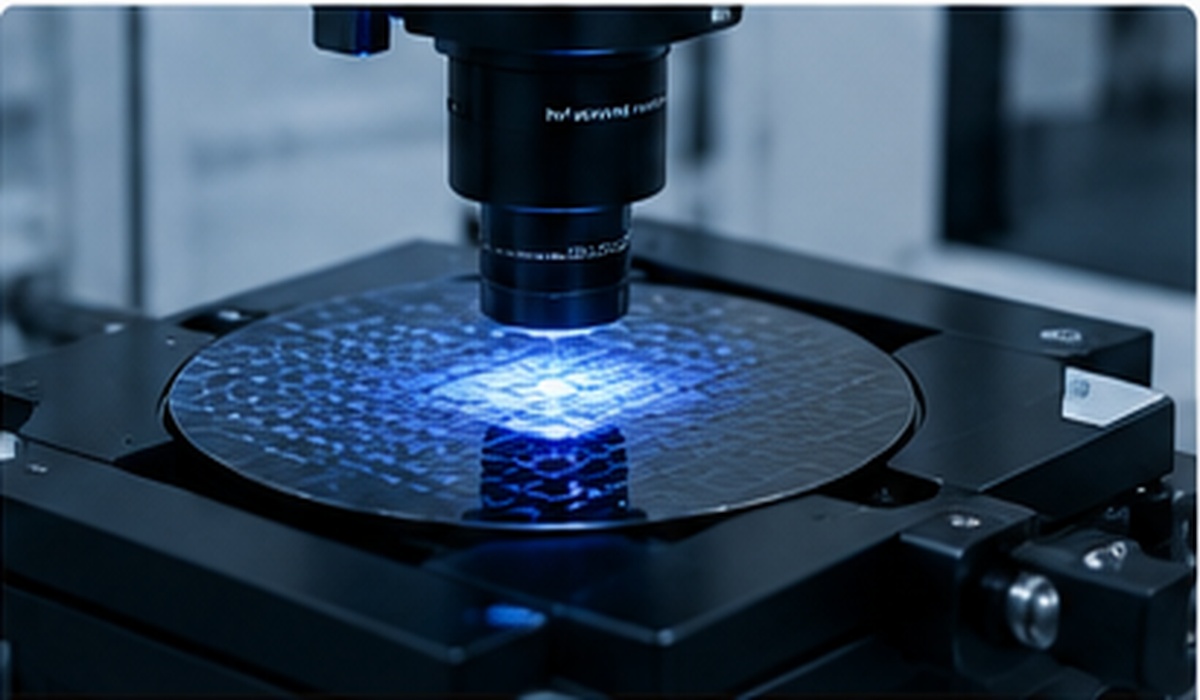
Wafer inspection, lithography and process-control optics.
An optical lens is a shaped transparent component that refracts light to focus, collimate, expand or form an image.
Selection depends on wavelength, refractive index, dispersion, thermal environment, laser power, weight, durability and coating requirements.
Options include single-band and broadband AR, laser-line AR, reflective, beamsplitter, filter and protective coatings.
Yes. We manufacture custom diameters, radii, thicknesses, edge geometries and coatings from prototype through repeat production.
Tolerances depend on material, aperture, curvature, thickness and inspection requirements. Send your drawing for an engineering review.
Lens performance depends on the complete optical system. Radius, center thickness, material, surface quality, centration and coating should be balanced around wavelength, aperture and imaging requirements.
Define focal length, working distance, aperture and wavelength before tightening manufacturing tolerances.
Use transmission range, refractive index, thermal behavior and durability to select the substrate.
Radius accuracy, centration and transmitted wavefront can matter more than unnecessarily tight cosmetic specifications.
Specify AR, BBAR or laser-line coatings around the actual operating wavelength and angle of incidence.
Use these resources to evaluate lens geometry, materials, tolerances and coatings before finalizing your drawing.
Key considerations for focal length, radius, thickness, aperture and tolerances.
Read Guide → Material GuideCompare optical glass, fused silica, sapphire, fluoride and infrared materials.
Compare Materials → Coating GuideSelect coatings based on wavelength, bandwidth, angle and laser requirements.
Explore Coatings → Engineering SupportSend your lens drawing for manufacturability, tolerance and cost review.
Submit Drawing →Specify radius accuracy according to focal and imaging sensitivity.
Thickness affects geometry, mechanical integration and optical path length.
Control decenter and wedge where optical-axis alignment is critical.
Choose cosmetic requirements appropriate to scattering and laser sensitivity.
Define wavelength range and angle of incidence rather than requesting a generic AR coating.
Move between lens design, optical materials, coatings and related component families without leaving the engineering workflow.
Send us your lens type, material, wavelength, dimensions, tolerances, coating and quantity requirements.